




When we started discussing with Friends of Figma, Bangalore, about hosting "The UX of Trust and Security" at Okta's Bangalore office, we had a simple yet ambitious goal: to create a space where enterprise design gets the spotlight it deserves.
Millions of people across every industry rely on enterprise products every day. When people think of Okta, they often picture the simple experience of logging in to their work accounts. But behind that experience is a powerful system managed by IT and security teams. A system that requires deep UX systems thinking, cross-functional collaboration, and creative problem-solving to get right.
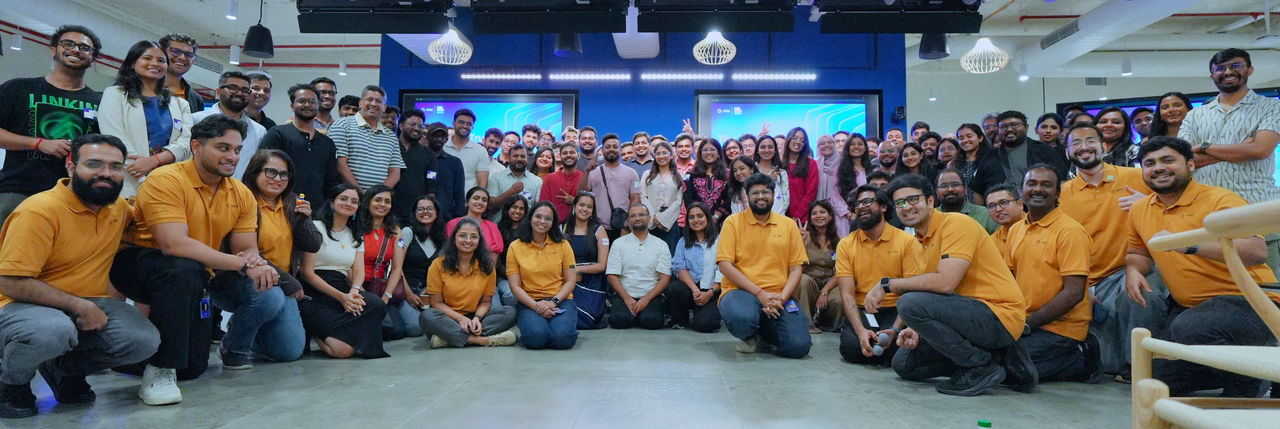
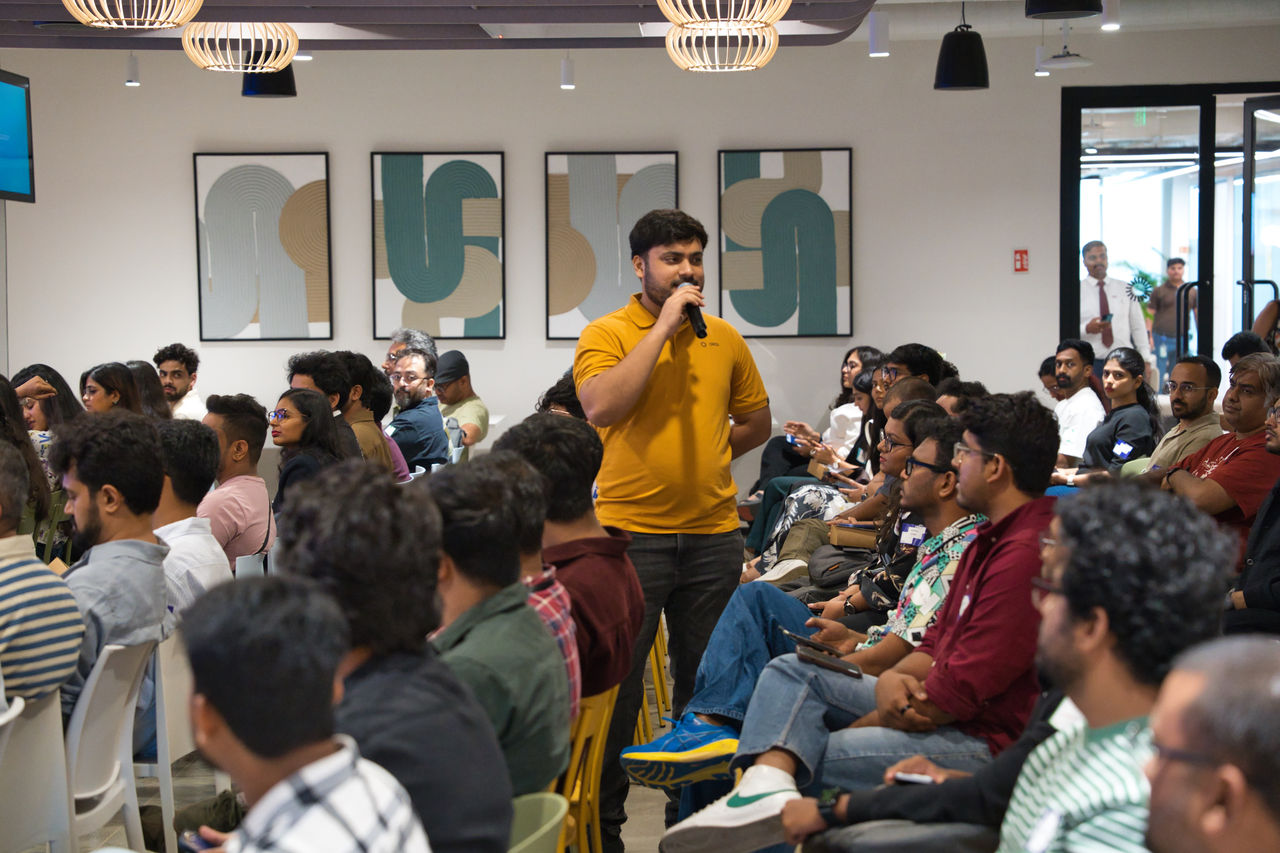
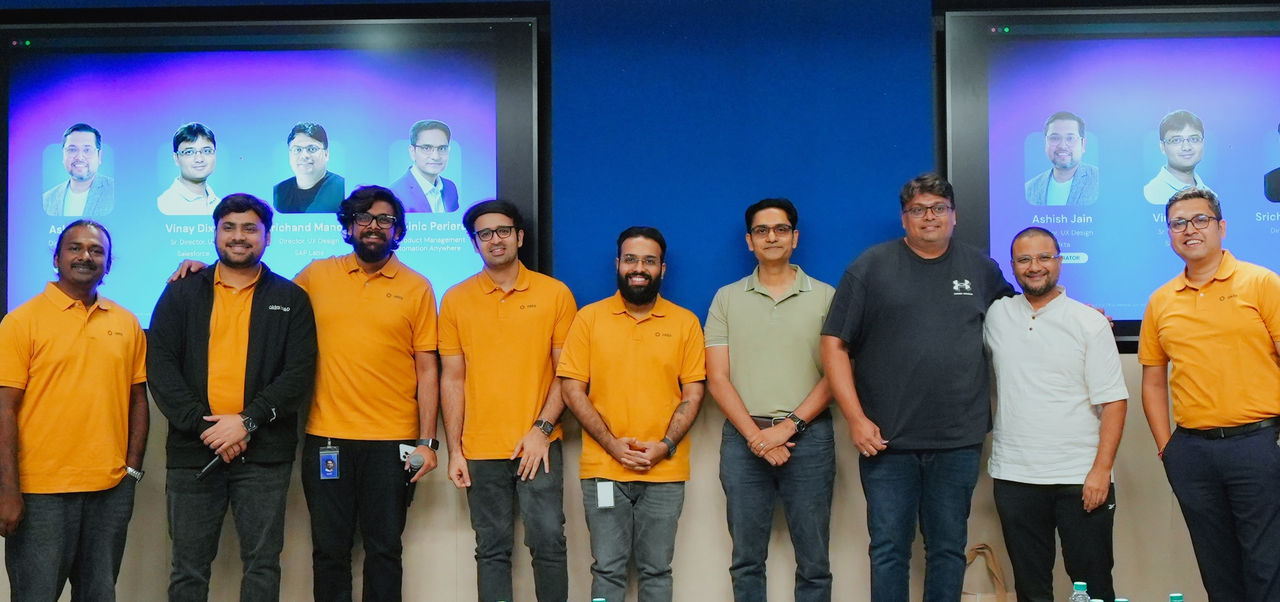
On May 8, we gathered more than 150 Bangalore designers alongside leaders from Salesforce, SAP Labs, and Automation Anywhere to explore a question that doesn't get asked enough: What makes enterprise design some of the hardest, most consequential, and most rewarding work in our field?
The problem we were trying to solve
Here's what we noticed: The design community celebrates consumer apps. We share Dribbble shots of beautiful login screens and polished interfaces. We attend conferences to hear about designing consumer-facing platforms and marketplace applications.
But enterprise design? The work that powers how the world's largest organizations operate? The design that touches millions of employees every day? That work happens quietly, often without recognition.
We knew this was wrong. And we knew why it mattered to fix it–especially now, as AI is reshaping what designers need to be good at.
Why enterprise design matters (more than you think)
One of the panelists on our stage, a director of UX from a company that runs the backend of the world's largest organizations, described enterprise design like this: It requires a rare combination of deep systems thinking and human empathy.
Think about what that means. When you're designing an admin console for IT teams managing access policies, you're not designing for one user. You're designing for the complexity of organizational hierarchies, compliance requirements, stakeholder politics, and the very real consequences of a misconfiguration that could lock out 10,000 employees.
That's not "just forms and tables." That's systems thinking at scale.
And it's exactly why we believe designers who choose enterprise design–who lean into this complexity instead of running from it–are the ones developing the most valuable skills for the future.
What we heard from industry leaders
Our panelists came from organizations that exemplify different facets of enterprise design:
- Salesforce: Designers figuring out how to build one product that works for both a 50-person startup AND a Fortune 100 bank
- SAP Labs: Designers navigating the scale of systems that run entire countries' supply chains
- Automation Anywhere: Product leaders thinking about how AI and automation reshape what enterprise design even means
What they kept coming back to was this: Making a secure, seamless experience for both workers and administrators requires something that goes beyond execution speed.
When we asked about hiring–specifically, what matters the most in a great designer–the conversation wasn't about portfolio aesthetics or design tool proficiency. It was about judgment. Systems thinking. The ability to navigate stakeholder complexity, user pain points, and system understanding. The capacity to work through ambiguity and make decisions with incomplete information.
One of the panelists put it directly: "The most secure thing should also be the easiest thing." To make that real requires good judgment calls, not just design production tasks.
The AI question nobody was avoiding
We brought up something that makes many designers uncomfortable: AI can now do much of what mid-level designers do, faster than any of us.
Anyone with AI tools and a license can generate a layout. AI can instantly produce prototypes that would have taken weeks just two years ago.
So what happens to designers when the execution layer becomes commoditized? The panelists didn't shy away from this. In fact, they leaned in.
One of them, the vice president of product at an automation company whose entire business is automating work, made a point that surprised people: It’s not about replacing designers. It makes craft, judgment, and business understanding more valuable.
Here's why: When execution becomes cheap, the designer's value shifts to judgment, strategy, systems thinking, and stakeholder influence–things that can't be automated. The things that require years of experience and the kind of thinking that only comes from sitting with complex, ambiguous problems.
This is exactly what Okta looks for when we hire. This is why we focus on craft and design leadership, designers who can think at a systems level, exercise judgment, and partner with product and engineering teams as true equals.
What this means for your career
If you're a designer considering enterprise design, or if you've been doing it and feel like it isn’t celebrated, here's what we learned from 150 designers and four industry leaders:
Enterprise design is where the hard problems live
They’re the problems without straightforward answers. The problems that require you to be excited about tackling complexity, to collaborate deeply with teams across functions, and to make decisions that affect millions of people.
This is no less rewarding than consumer design. It's differently rewarding. And increasingly, it's where the most valuable skills are being developed.
Okta is deeply invested in design
We're growing our team globally. We're tackling some of the hardest security challenges, including securing AI across our entire product suite. We include everyone on the team, gathering their domain expertise and building content to illustrate our vision. We refresh our strategy based on research insights and design concepts. We own our design system together, making it a true reflection of what every product needs.
We're looking for designers who get this. Who understands that, in B2B, the buyer isn’t the user. Who appreciate the craft of systems thinking and the unglamorous work of edge cases, error states, and bulk operations.
If these questions and problems made you think, "I want to work on challenges like that," we encourage you to explore our open roles on the Okta design team.
One more thing
The most exciting part of the evening wasn't the lightning talks (though they were excellent). It wasn't even the panel discussion, though that's where the real tension and authentic conversation happened.
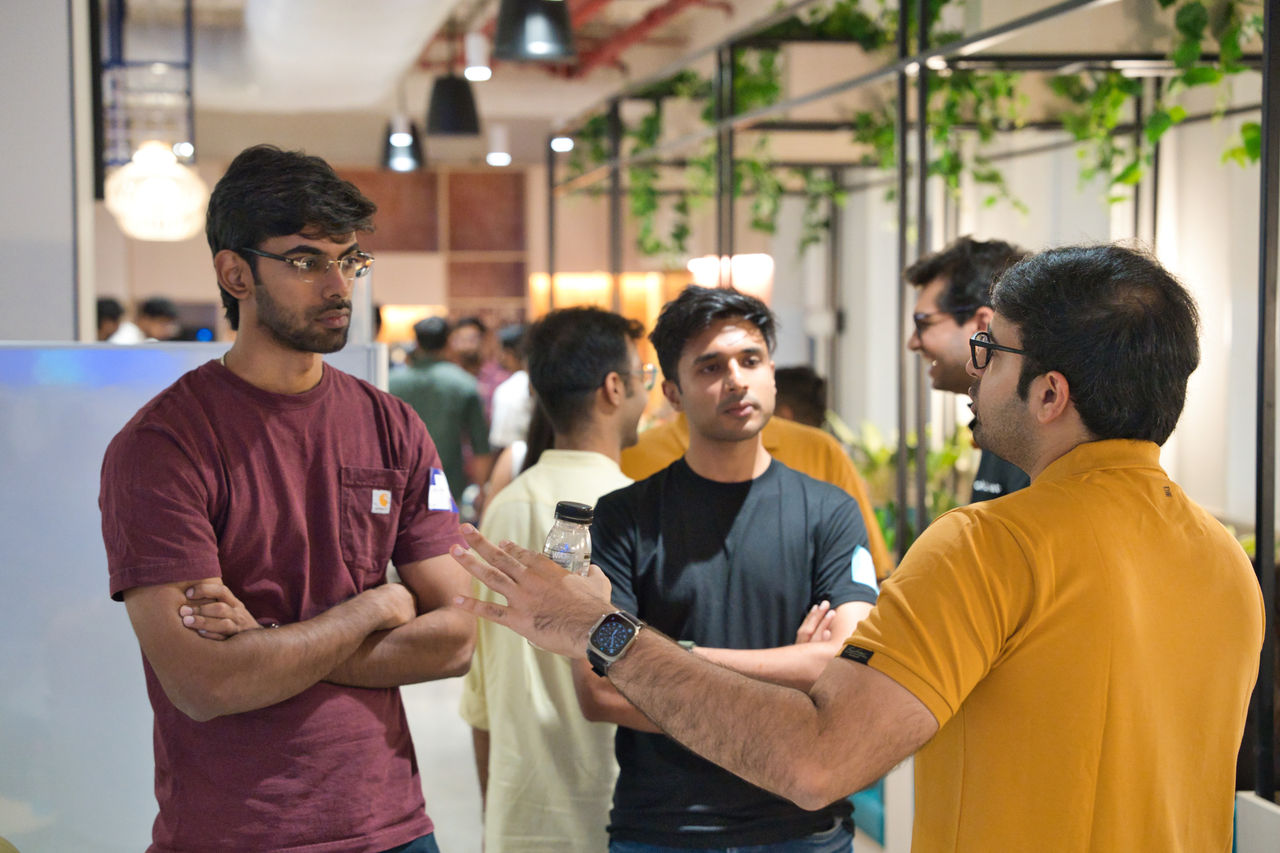
It was immediately after the event ended, when designers lined up to talk to our team. People who'd never considered enterprise design as a career path began asking what it takes to build these skills. Designers already in enterprise design told us they felt seen and validated—like the work they were doing, in those quiet corners without the design community spotlight, actually mattered.
It does. And we're committed to making sure more people know it.
We're hiring. If you want to make a difference by designing for trust and security at scale, we'd love to hear from you.


