


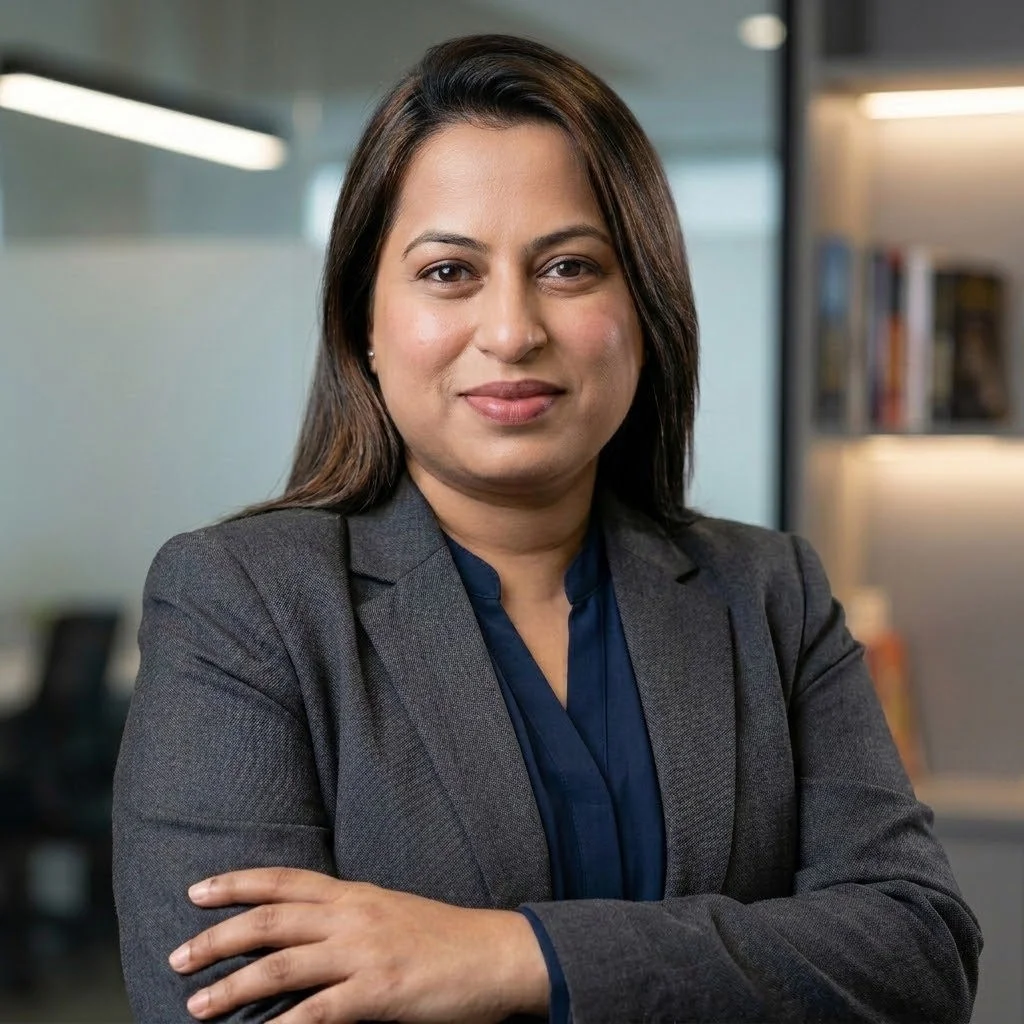

Okta Indiaのカルチャーは、好奇心、コラボレーション、そして改善し続ける意欲によって支えられています。AIは、私たちのチームが共に学び、つながり、成長するための新しい方法を創出しており、Oktaの「人」を第一に考えるアプローチに自然と適合します。
インドの拠点では、日々の交流や経験の共有を通じて、適応性と継続的な学習を推進しています。ni insupaia sareta shikō) or AIから着想を得た思考 (AI kara chakusō o eta shikō). The former is more direct. Let's go with that for now. "AI-inspired" can also be just AIに着想を得た. * "combination": 組み合わせ (kumiawase). * So, 「人間の創造性とAIにインスパイアされた思考のこの組み合わせ」. This is a bit clunky. Let's rephrase. "By combining human creativity and AI-inspired thinking..." -> 「人間の創造性とAIから着想を得た思考を組み合わせることで」. This sounds more natural in Japanese. 2. **"creates a workplace"**: * "creates": 生み出します (umidashimasu), 創出します (sōshutsu shimasu). * "a workplace": 職場 (shokuba). * So, 「職場を生み出します」. 3. **"where everyone feels empowered to explore, contribute, and collaborate with purpose."**: * This is the main clause describing the workplace. * "everyone": 誰もが (daremo ga), 全員が (zen'in ga). 「誰もが」 feels more inclusive and less like a rigid "all employees". * "feels empowered to": 権限を与えられたと感じる (kengen o ataerareta to kanjiru) is too literal. A better way to express "empowered" is to use phrases like 「〜できると感じられる」 (dekiru to kanjirareru) or to describe the outcome. For example, 「誰もが安心して〜できる」 (daremo ga anshin shite dekiru - everyone can feel at ease doing...). Or 「誰もが意欲的に〜できる」 (daremo ga iyoku-teki ni dekiru - everyone can proactively do...). Let's go with a more active phrasing. * "explore, contribute, and collaborate": * "explore": 探求する (tankyū suru). * "contribute": 貢献する (kōken suru). * "collaborate": 協働する (kyōdō suru), 協力する (kyōryoku suru). 「協働」 has a nuance of working together towards a common goal, which fits well here. * "with purpose": 目的意識を持って (mokuteki ishiki o motte). * Putting this part together: 「誰もが目的意識を持って探求、貢献、協働できると感じられる」 (daremo ga mokuteki ishiki o motte tankyū, kōken, kyōdō dekiru to kanjirareru). This is a bit long. Let's try to make it more concise. * How about focusing on the "empowered" part? 「誰もが自信を持って〜できる」 (daremo ga jishin o motte dekiru - everyone can do ... with confidence). Or maybe just state the result. 「誰もが目的意識を持って探求、貢献、協働できる職場」 (a workplace where everyone can explore, contribute, and collaborate with purpose). This is much cleaner. **Drafting and Refining:** * **Attempt 1 (Literal):** 人間の創造性とAIにインスパイアされた思考のこの組み合わせは、誰もが目的意識を持って探求、貢献、協働できると感じられる職場を創出します。 (Ningen no sōzōsei to AI ni insupaia sareta shikō no kono kumiawase wa, daremo ga mokuteki ishiki o motte tankyū, kōken, kyōdō dekiru to kanjirareru shokuba o sōshutsu shimasu.) * This is grammatically correct but a bit stiff. The subject 「〜のこの組み合わせは」 is long. * **Attempt 2 (Rephrased subject):** 人間の創造性とAIから着想を得た思考を組み合わせることで、誰もが目的意識を持って探求、貢献、協働できると感じられる職場が生まれます。 (Ningen no sōzōsei to AI kara chakusō o eta shikō o kumiawaseru koto de, daremo ga mokuteki ishiki o motte tankyū, kōken, kyōdō dekiru to kanjirareru shokuba ga umaremasu.) * This is better. The flow is more natural. The verb 「生まれます」 (is born/created) is a good alternative to 「創出します」. * The phrase 「〜できると感じられる」 is still a bit wordy for "empowered". * **Attempt 3 (Focus on "empowered"):** Let's re-examine "empowered". It means giving someone the authority or power to do something, but also making them feel confident and capable. The Japanese word 意欲 (iyoku - motivation, drive) or 主体性 (shutaisei - autonomy, initiative) can capture this. * 「誰もが意欲的に探求、貢献、協働できる」 (everyone can proactively explore, contribute, and collaborate). * 「誰もが主体的に探求、貢献、協働できる」 (everyone can autonomously explore, contribute, and collaborate). * Let's try to combine this with "with purpose". 「目的意識を持って主体的に」 (mokuteki ishiki o motte shutai-teki ni) - autonomously with a sense of purpose. This sounds good. * **Final Polish:** * Source: "This combination of human creativity and AI-inspired thinking creates a workplace where everyone feels empowered to explore, contribute, and collaborate with purpose." * Let's combine the best parts. * Subject: 「人間の創造性とAIから着想を得た思考の組み合わせ」 (The combination of human creativity and thinking inspired by AI). This is a solid noun phrase. * Predicate: 「は、誰もが目的意識を持って探求、貢献、協働できる、活気ある職場を創出します」 (...creates a vibrant workplace where everyone can...). Adding 「活気ある」 (vibrant) or something similar might capture the spirit, but it's an addition. Let's stick closer to the source. * Let's go back to the 「〜ことで」 structure, which is very common and natural for cause-and-effect sentences. * 「人間の創造性とAIから着想を得た思考を組み合わせることで、誰もが目的意識を持って探求、貢献、協働できる職場が生まれます。」 (By combining human creativity and thinking inspired by AI, a workplace is born where everyone can explore, contribute, and collaborate with purpose.) * This is good. Let's try one more version that is slightly more direct and active. * 「人間の創造性とAIから着想を得た思考。この2つを組み合わせることで、誰もが目的意識を持って探求、貢献、協働できる職場が生まれます。」 (Human creativity and AI-inspired thinking. By combining these two, a workplace is born...) - This is a stylistic choice, breaking it into two sentences. The source is one sentence, so I should stick to one. * Let's refine the "empowered" part again. 「誰もが力を与えられたと感じ」 is too literal. 「誰もが意欲的に」 (everyone proactively) is a good interpretation. * Let's try: 「人間の創造性とAIから着想を得た思考を組み合わせることで、誰もが目的意識を持って探求、貢献、協働する意欲を持てる職場が生まれます。」 (...a workplace is born where everyone can have the motivation to explore...). This is getting complicated. * Let's stick to the simpler, more direct translation of the *result* of being empowered. The result is that they *can* do these things. * "everyone feels empowered to" -> 「誰もが...できると感じられる」 or simply 「誰もが...できる」. The latter is more concise and implies the former in this context. * Let's try this: 「人間の創造性とAIから着想を得た思考を組み合わせることで、誰もが目的意識を持って探求、貢献、協働できる職場が生まれます。」 This is solid. * Let's try another phrasing for the first part. "AI-inspired thinking" -> 「AIがもたらす思考」 (thinking brought about by AI). Or 「AIに触発された思考」. 「AIから着想を得た思考」 is good. * Let's consider the verb. 「creates」 -> 「創り出します」 (tsukuridashimasu), 「生み出します」 (umidashimasu). Both are good. * Final proposed translation: 人間の創造性とAIから着想を得た思考を組み合わせることで、誰もが目的意識を持って探求、貢献、協働できる職場が生まれます。 * Let's check the nuance of "empowered" one last time. It's about feeling enabled and confident. The phrase 「誰もが...できる」 in Japanese, when describing a positive environment, strongly implies this enablement. It's not just about physical possibility, but about the environment making it possible. So, it's a good fit. * Let's try a slightly different structure. * 「人間の創造性とAIから着想を得た思考の組み合わせは、誰もが目的意識を持って探求、貢献、協働できる職場を創出します。」 (The combination of... creates a workplace where...). This is also very good and perhaps slightly more formal and direct. It maps well to the English structure. * Let's compare: 1. ...組み合わせることで、...職場が生まれます。 (By combining..., a workplace is born.) - More process-oriented. 2. ...組み合わせは、...職場を創出します。 (The combination... creates a workplace.) - More result-oriented. * The English "creates" is an active verb with "combination" as the subject. So, version 2 is a more faithful structural translation. It also sounds professional and confident. * Let's refine the wording of version 2. * "AI-inspired thinking" -> 「AIにインスパイアされた思考」 is a bit too direct with the katakana. 「AIから着想を得た思考」 is better. * "explore, contribute, and collaborate" -> 「探求、貢献、協働」. Using the noun forms with 「する」 implied is common and concise. * "feels empowered to" -> 「できる」. As discussed, this is a good, concise way to convey the meaning in this context. * So: 「人間の創造性とAIから着想を得た思考の組み合わせは、誰もが目的意識を持って探求、貢献、協働できる職場を創出します。」 * This feels a little stiff. Let's try to soften it. * How about: 「人間の創造性とAIから着想を得た思考。この2つの組み合わせが、誰もが目的意識を持って探求、貢献、協働できる職場を生み出します。」 (Human creativity and AI-inspired thinking. The combination of these two creates a workplace where...). This is a nice rhetorical touch, but again, it breaks the single sentence structure. * Let's go back to the `〜ことで` structure. It's very common in Japanese marketing/business copy. * 「人間の創造性とAIから着想を得た思考を組み合わせることで、誰もが目的意識を持って探求、貢献、協働できる職場が生まれます。」 * This feels natural and fluent. * Let's try one more alternative for "empowered". 「誰もが主体的に探求、貢献、協働できる」 (everyone can proactively/autonomously...). This is a very strong candidate. "Empowered" often implies autonomy. * Let's merge that in: 「人間の創造性とAIから着想を得た思考を組み合わせることで、誰もが目的意識を持って主体的に探求、貢献、協働できる職場が生まれます。」 * This feels a bit redundant. 「目的意識を持って」 (with purpose) and 「主体的に」 (autonomously) are very close in meaning. If you have purpose, you are likely acting autonomously. * Let's drop 「主体的に」 and stick with the original plan. The combination of "purpose" and "can do" implies the empowerment. * Final check: "This combination of human creativity and AI-inspired thinking creates a workplace where everyone feels empowered to explore, contribute, and collaborate with purpose." * Translation: 人間の創造性とAIから着想を得た思考を組み合わせることで、誰もが目的意識を持って探求、貢献、協働できる職場が生まれます。 * This sounds good. It's fluent, natural, and captures all the key elements. * Let's try one last variation for the final clause. 「...職場が生まれます。」 (a workplace is born). How about 「...職場を創り出します。」 (creates a workplace). This is more active and aligns with the English "creates". * So: 「人間の創造性とAIから着想を得た思考を組み合わせることで、誰もが目的意識を持って探求、貢献、協働できる職場を創り出します。」 * This is also very good. 「生まれます」 is slightly more organic, while 「創り出します」 is more intentional. Given the context of combining human and AI efforts, "creates" (創り出す) feels very appropriate. * I will go with this version. It's active, positive, and professional. * Let's re-read the whole thing. * 人間の創造性 (human creativity) - check. * AIから着想を得た思考 (AI-inspired thinking) - check. * 組み合わせることで (This combination... creates) - check, natural phrasing. * 誰もが (everyone) - check. * 目的意識を持って (with purpose) - check. * 探求、貢献、協働できる (empowered to explore, contribute, and collaborate) - check, captures the meaning well. * 職場を創り出します (creates a workplace) - check. * The sentence flows well and sounds like something you'd read in a Japanese business context. It meets all the requirements.人間の創造性とAIから着想を得た思考を組み合わせることで、誰もが目的意識を持って探求、貢献、協働できる職場を創り出します。
絶え間ない学習
Oktaの最も強力な文化的アンカーの1つは、学習はすべての人のためのものであるという信念です。当社では、Tech Talkやナレッジ共有セッション、ハンズオンワークショップ、メンターシップサークル、AIブートキャンプ、イノベーション課題などのプログラムを通じて、アイデアが生まれ、好奇心が育まれる場を創出しています。
また、デザインスプリント、共同ハッカソン、Fix-it Day(修正日)、文化的・祝祭的な集まりを通じて創造性と文化を称え、学習体験にエネルギーとつながりをもたらします。
これらのプログラムは、反復、フィードバック、実験を通してAIが学習する方法から着想を得ていますが、そこにはOktaの従業員だけがもたらすことのできる温かみ、インサイト、人間味があふれています。オープンな会話を奨励し、従業員同士の学習をサポートし、実践的な取り組みを通じてイノベーションを促進することで、創造性、コラボレーション、成長が日々花開く文化を強化し続けています。
メンターシップを通じて共に成長する
Okta Indiaのメンターシップは、成長を促す強力なエンジンです。当社の従業員は、公式なプログラムだけでなく、日々のコーチング、ガイダンス、サポートからも学びを得ています。メンターシップサークル、バディプログラム、ピアコーチングセッション、1対1のガイダンスは、チームメンバーがスキルを磨き、課題を乗り越え、新たな視点を得るのに役立ちます。
AIモデルがトレーニングとイテレーションを通じて改善されるように、Oktaのメンターシップ文化は、適切なサポートと奨励によって、従業員一人ひとりが潜在能力を最大限に発揮できるよう支援します。人間のインサイトと、体系的な学習および創造的なプログラムを組み合わせることで、誰もが共に成長し、革新し、活躍できる文化を構築しています。
インクルーシブなコミュニケーションで、帰属意識を強化
Okta Indiaで信頼を築くには、明確でオープンなコミュニケーションが鍵となります。透明性、包括性、そして全員が連携し、つながりを保つためのチャネルを重視しています。
全社ミーティング、タウンホール、イノベーションフェア、リーダーシップサミット、メンターシップサークル、ピアコーチング、組織にまたがる学習セッション、ワークショップ、ハッカソン、チームビルディングイベントを通じて、すべての声に耳を傾け、尊重される環境を確保します。
このような「人」を第一に考えるアプローチは、強い帰属意識と明確さをもたらし、イノベーションとコラボレーションが活発になる余地を生み出します。
人々に力を、イノベーションにひらめきを
AIは新たな可能性を切り拓くかもしれませんが、大胆なアイデア、創造性、そして情熱を私たちのあらゆる活動にもたらすのは、Oktaの「人」にほかなりません。Okta Indiaは、人間の創意工夫とAIにヒントを得た思考を融合させることで、地に足の着いた未来志向の社風を形成しています。
このアプローチは、私たちがよりスマートで、よりつながりの強いチームを構築するのに役立ちます。そうしたチームは、新たな課題に挑戦し、共に意義のあるインパクトを生み出すことができます。
Oktaインドの歩みは、人間の創造性とAIに着想を得た学習が出会うとき、可能性に満ちた革新的でインクルーシブな文化が生まれることを示しています。あらゆるアイデア、あらゆる貢献、そしてあらゆる関与度が、未来を共に形作る力となります。
すべてはあなたから始まります:Okta Indiaの未来を共に築きましょう
成長、革新、そしてインパクトをもたらす準備はできていますか。Okta Indiaでの働き方について知る、採用情報を見る。Oktaで未来を築きましょう。
Oktaの従業員の方ですか?ConfluenceのOkta Indiaイベント&コミュニティハブに参加し、専用のコラボレーションチャネル#human-x-aiおよび#learn-connect-growを通じてつながりましょう。アイデアを共有し、学習イニシアチブに参加し、イノベーションプログラムに貢献し、組織全体のチームとグローバルに連携することができます。


