
Most people know the frustration of repeatedly proving their identity when accessing government services. It can be a maze of separate forms, multiple logins, and potentially out-of-date records. While security is essential, people expect less friction. They want a simple, secure experience.
Creating a Seamless Citizen Experience: The Future of Digital Identity in Government, an Okta-commissioned report from Intermedium, examines how public agencies in Australia can build trust and deliver efficient services through modern digital identity solutions. It's not just a matter of convenience. Operating in an era of AI-driven cyber threats and escalating privacy concerns makes robust security non-negotiable.
Why Australian governments are dedicating $5.5B to digital identity
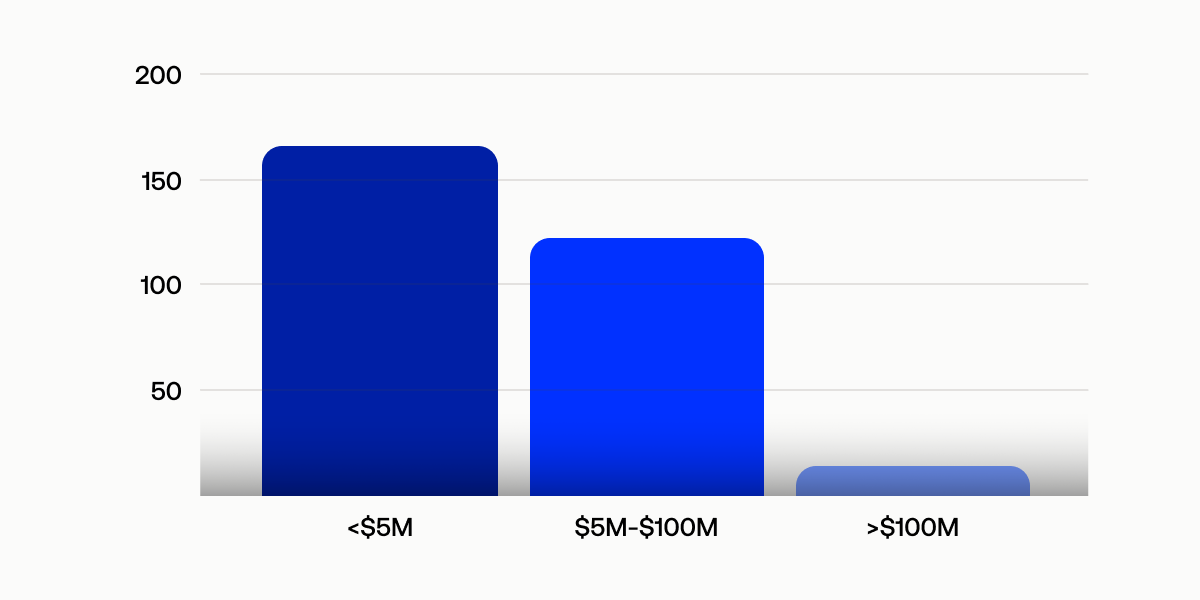
Getting digital identity right is now a top priority in Australia. Federal, state, and territory Data and Digital Ministers have committed to building a digital ID that is "secure, convenient, portable, voluntary, and inclusive." Across the country, governments allocated $5.5 billion in their 2026–27 budgets to 297 new information and communications technology (ICT) and digital initiatives, according to the report. This figure includes more than $480 million dedicated specifically to cybersecurity. While the budget and motivation exist, implementing modern identity systems across fragmented legacy infrastructure remains a major challenge.
The report identifies three key hurdles for government agencies: the cost of implementing identity, rising expectations for convenience, and complex security regulations. To overcome these barriers, agencies are moving away from building custom systems in-house, which is costly and increases project risk. Instead, governments are adopting cloud-based Citizen Identity platforms, also known as customer identity and access management (CIAM). These modern platforms act as a secure identity broker, allowing citizens to access multiple services with a single login.
Number of 2026-27 budget-funded digital and ICT initiatives - Federal, State and Territory jurisdictions
One login, every service: what cloud platforms actually deliver
Cloud-based identity solutions simplify identity management at scale across complex cloud environments and reduce deployment costs, according to the report. They also support the “Tell Us Once" initiative, which focuses on ensuring citizens don't have to repeat the same information across agencies every time their circumstances change.
These platforms also help governments align with national systems like the Australian Government Digital ID System (AGDIS). Central to this system is myID, which lets citizens verify their identity once and reuse it across federal and state services. This national system will expand further when the AGDIS begins accepting private sector applications on 1 December 2026, allowing businesses to become Digital ID service providers or use accredited verification services.
The rising cost of getting security wrong
A frictionless experience helps build trust, but that’s at risk if data isn’t secured. Legislative changes are raising the stakes for data security. Amendments to the Privacy Act introduce a statutory tort for invasion of privacy, exposing agencies to civil lawsuits if data breaches occur. Beyond the threat of formal sanctions and legal exposure, the reputational damage from a privacy breach severely erodes citizen trust and undermines broader digital transformation goals.
Ultimately, getting digital identity right is about making sure that when people need government support, the system works for them. By adopting cloud-based identity platforms, agencies can protect citizen data, reduce project risks, and deliver the seamless experiences the public expects.
For a closer look at the data behind this shift, including budget allocations, the legislative changes raising the stakes, and how cloud identity platforms support principles like Tell Us Once, read the full report: Creating a Seamless Citizen Experience: The Future of Digital Identity in Government.
This content is for informational purposes only, does not constitute professional or legal advice, and is provided without warranties or liability; please consult your own advisors for implementation decisions.